

Applications
The major use of ethylene glycol is as an antifreeze agent in the coolant in for example, automobiles and air-conditioning systems that either place the chiller or air handlers outside or must cool below the freezing temperature of water. In the plastic industry, ethylene glycol is an important precursor to polyester fibers and resins. Ethylene glycol is used in the natural gas industry to remove water vapor from natural gas before further processing. Minor uses of ethylene glycol include the manufacture of capacitors, as a chemical intermediate in the manufacture of 1,4-dioxane, as an additive to prevent corrosion in liquid cooling systems for personal computers, and inside the lens devices of cathode-ray tube type of rear projection televisions.
Sales Specifications
EG Content Wt %: 99.90 Min
Moisture %: 0.08 Max
Density 20°C (g/cm3): 1.125-1.1138
Iron content as Fe (Mg/kg): 0.1 Max
Chlorine Content as CL (Mg/kg): 0.5 Max
Colourity before heating APHA: 5 Max
Acidity (Mg/kg): 10 Max
Distillation Range °C: 195-199
DEG Content Wt%: 0.05 Max
220nm: 75 Min
250nm: Actual Test
UV Transmittance
275nm: 92 Min
350nm: 99 Min
Ash (mg/kg): 10 Max
Color after heating with HCL: 20 Max
Aldehyde (as formaid) mg/kg: 8 Max
Appearance: Colorless Viscous Transparent Liquid
Packing
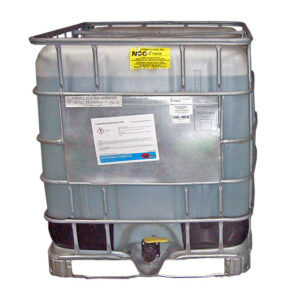
507.80 LB drum, 4 drums per pallet
2204.60 LB tote
Non Bulk Packages of this product are not regulated as hazardous materials in package sizes less than the products reportable quantity, unless transported by railcar